


Bharat Electricity Summit 2026: the real constraints behind the world’s largest transmission buildout
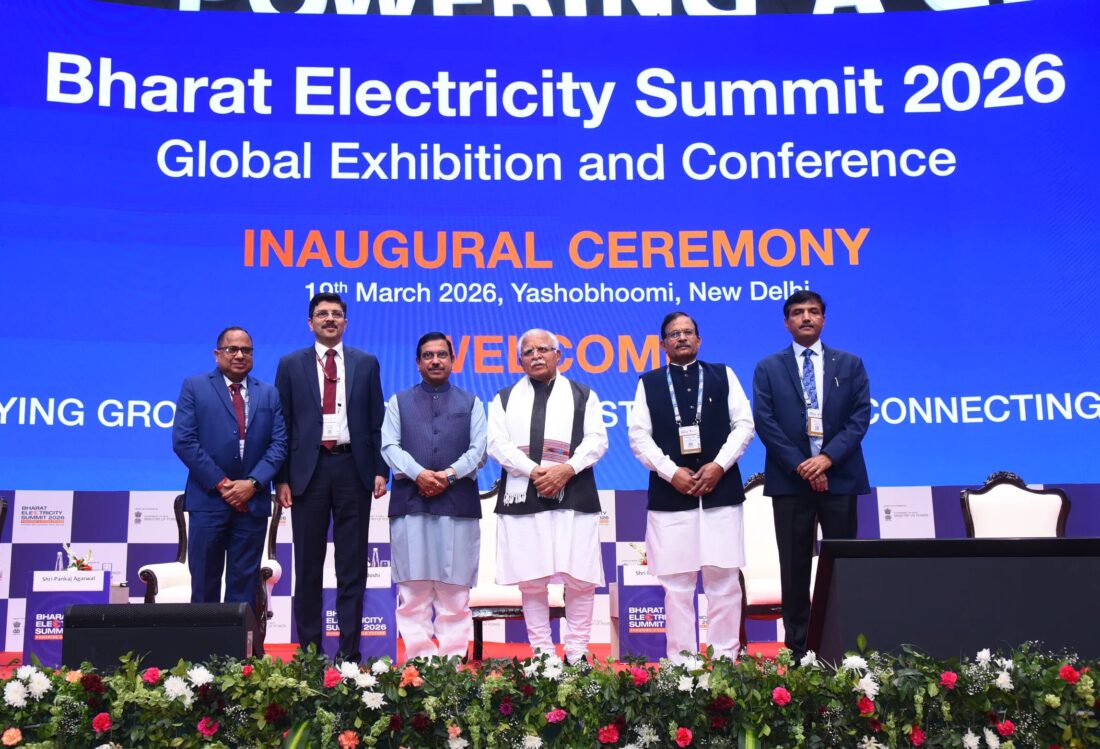
India has just hosted its first national summit dedicated to the electricity value chain, bringing together policymakers, utilities and industry leaders over four days to define what the country’s grid will look like in 2027, 2037 and 2047.
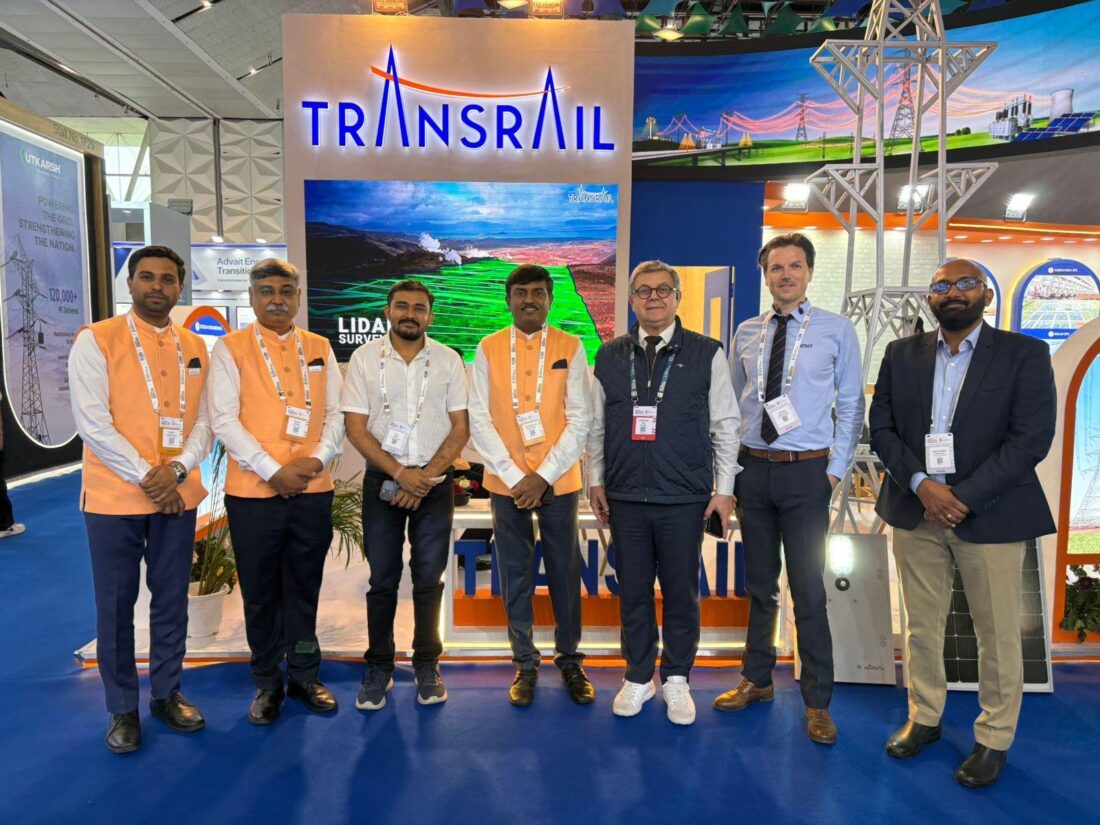
Epsilon’s management team attended the summit as well as a high-level CEO forum on Transmission hosted by Powergrid Corporation of India, alongside other industry leaders and trusted partners.
Here are a few takeaways from the discussions on the main challenges and constraints facing India’s power grid.
Optimizing capital deployment at scale
The real issue is not the volume of investment required, but how fast and predictably it can be deployed.
For investors, composite core conductors directly address this challenge:
- Advanced reconductoring on existing infrastructure with HTLS conductors such as HVCRC® enables increased transmission capacity without land acquisition or new tower construction
- For greenfield projects, standard temperature composite core conductors such as HVCRC® LITE help reduce CAPEX while also lowering Joule losses
Right of way: still the hardest constraint
No structural solution emerged from the discussions.
The only immediately actionable lever remains upgrading existing corridors. Where transmission lines already exist, HTLS reconductoring with composite cores increases capacity without any additional land requirements.
Manufacturing in India, for India
While India already has a strong industrial base, scaling manufacturing capacity fast enough to meet future demand remains a key challenge.
This is the context in which Epsilon Cable established its Indian subsidiary in 2025, with a local production facility currently being set up.
Green energy corridors, interconnections and the longer horizon
Long-distance corridors, and in the longer term interconnections with neighbouring countries under initiatives such as OSOWOG (Green Grid Initiative), require sustained performance over hundreds of kilometres.
Composite core conductors directly address two of the system’s key constraints: right of way and deployment time.
HTLS conductors such as HVCRC® provide significant capacity margins to absorb peak loads, while HVCRC® LITE offers an optimised balance between CAPEX and losses for new evacuation lines and interconnections.
A grid that can be operated reliably and efficiently
Variable generation, demand-side flexibility and distributed resources require a much deeper level of visibility on asset condition.
The structural integrity of composite cores has historically been a blind spot in transmission maintenance. CORECHECK® enables operators to verify this integrity at any time, without removing the conductor from service. Already deployed under live grid conditions, it provides a reliable way to monitor asset condition over time.
In conclusion
India is facing an execution challenge at unprecedented scale. The main constraints are right of way, capital deployment and industrial capacity, and the solutions that will scale are those that remove these constraints in the most direct and immediate way.